
I approached it the way I approach most things: with curiosity, a healthy dose of scepticism, and an open mind. What I didn't expect was how genuinely restorative the practice would become for me, not as a cure, but as a quiet, grounding companion to everything else I was doing for my well-being. I started learning Reiki simply as a personal practice, almost a hobby, something to bring calm into a busy academic life that spanned continents and time zones.
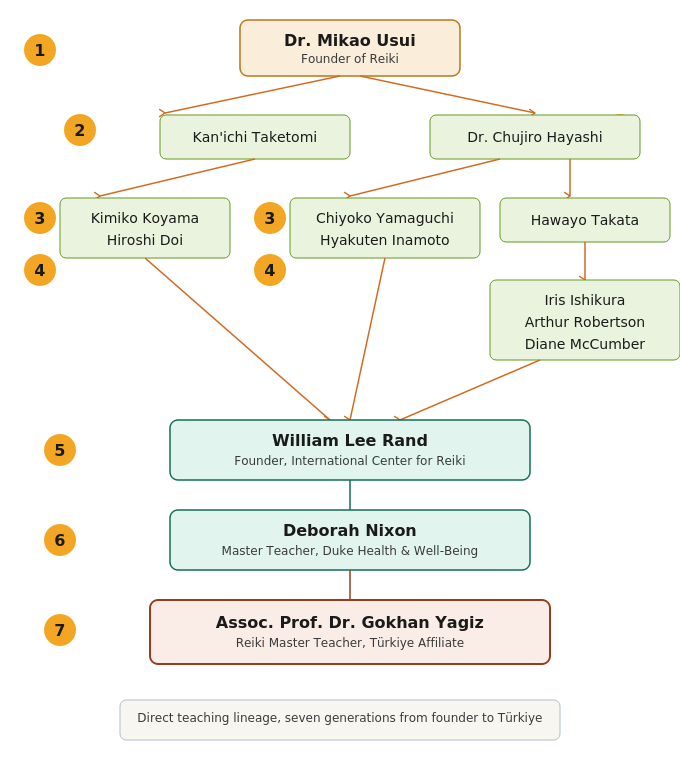
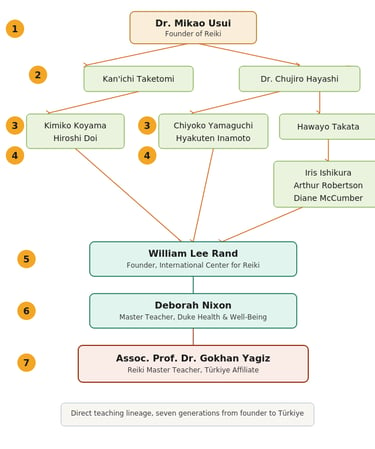
That search led me to Reiki.
My Reiki Journey
Like many people in academic medicine, I spent years immersed in evidence, imaging, and the precision of clinical science. But a few years ago, while dealing with some health complaints of my own, I found myself looking beyond the conventional toolkit I knew so well. I wasn't searching for a replacement for medicine. I was searching for balance, for a way to support my body and mind that felt different from anything in my professional training.
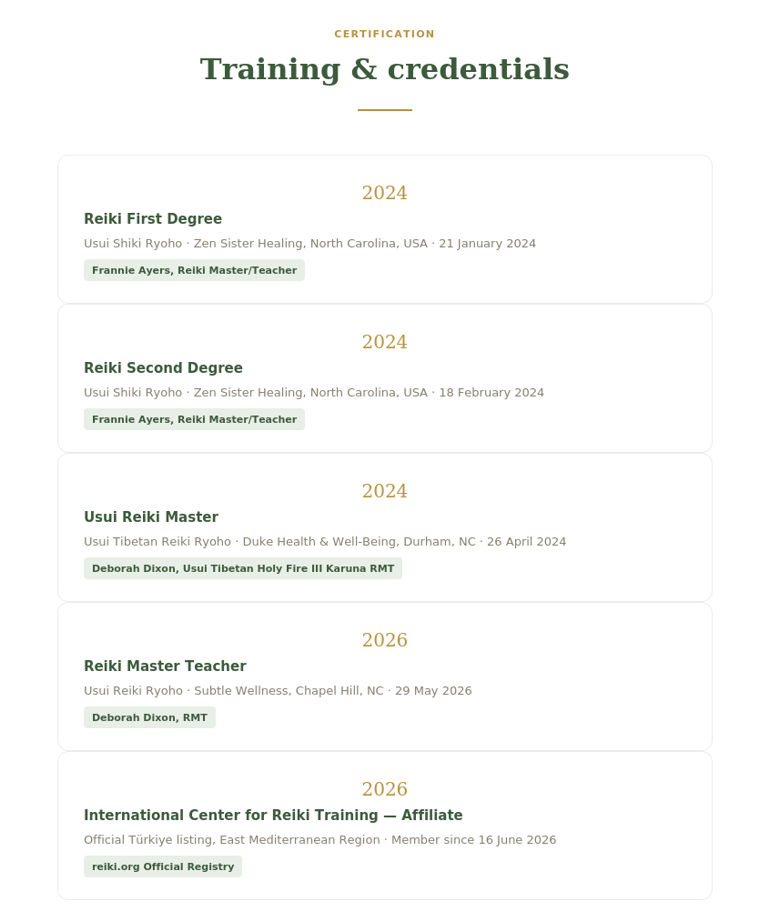
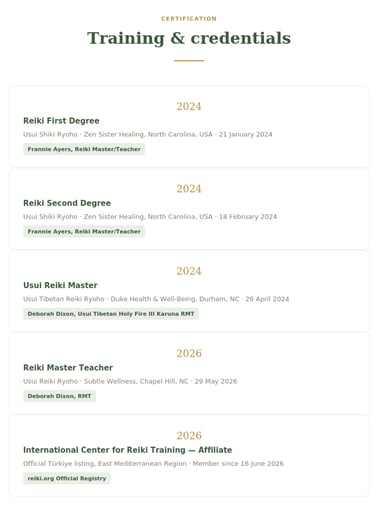
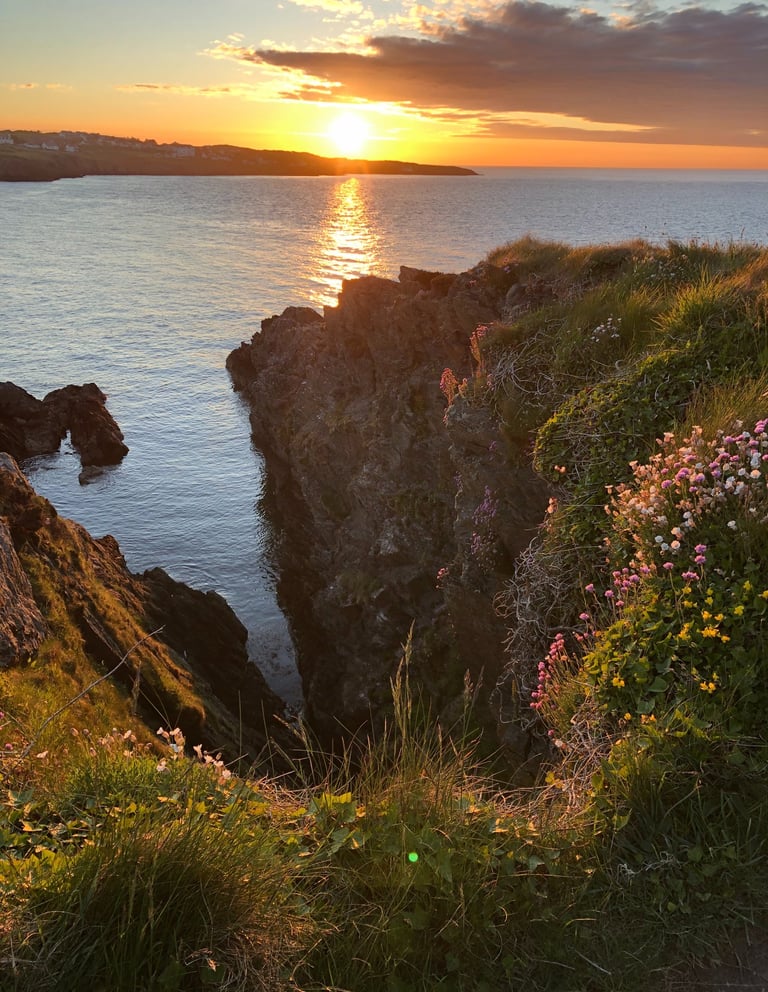
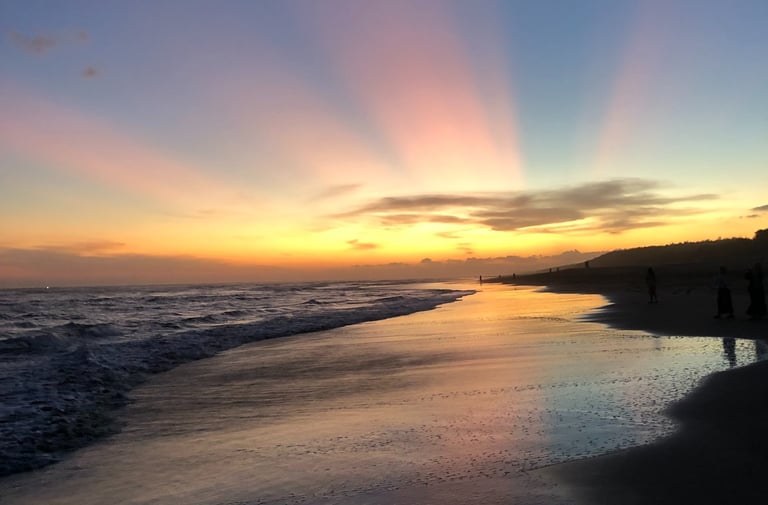
North Carolina, USA, from Gokhan YAGIZ's personal photo collection.
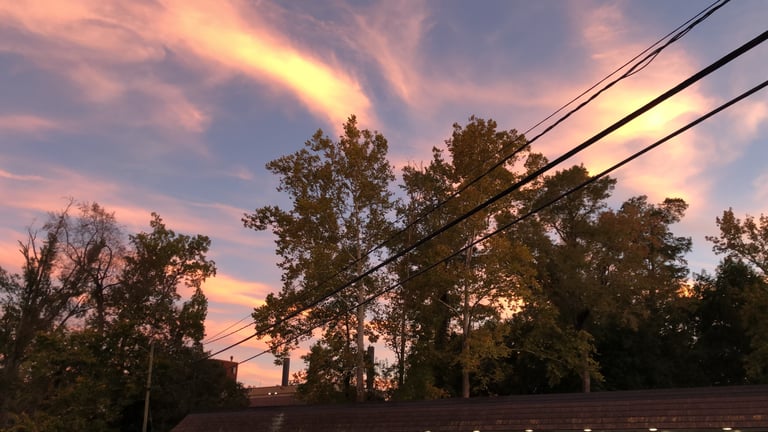
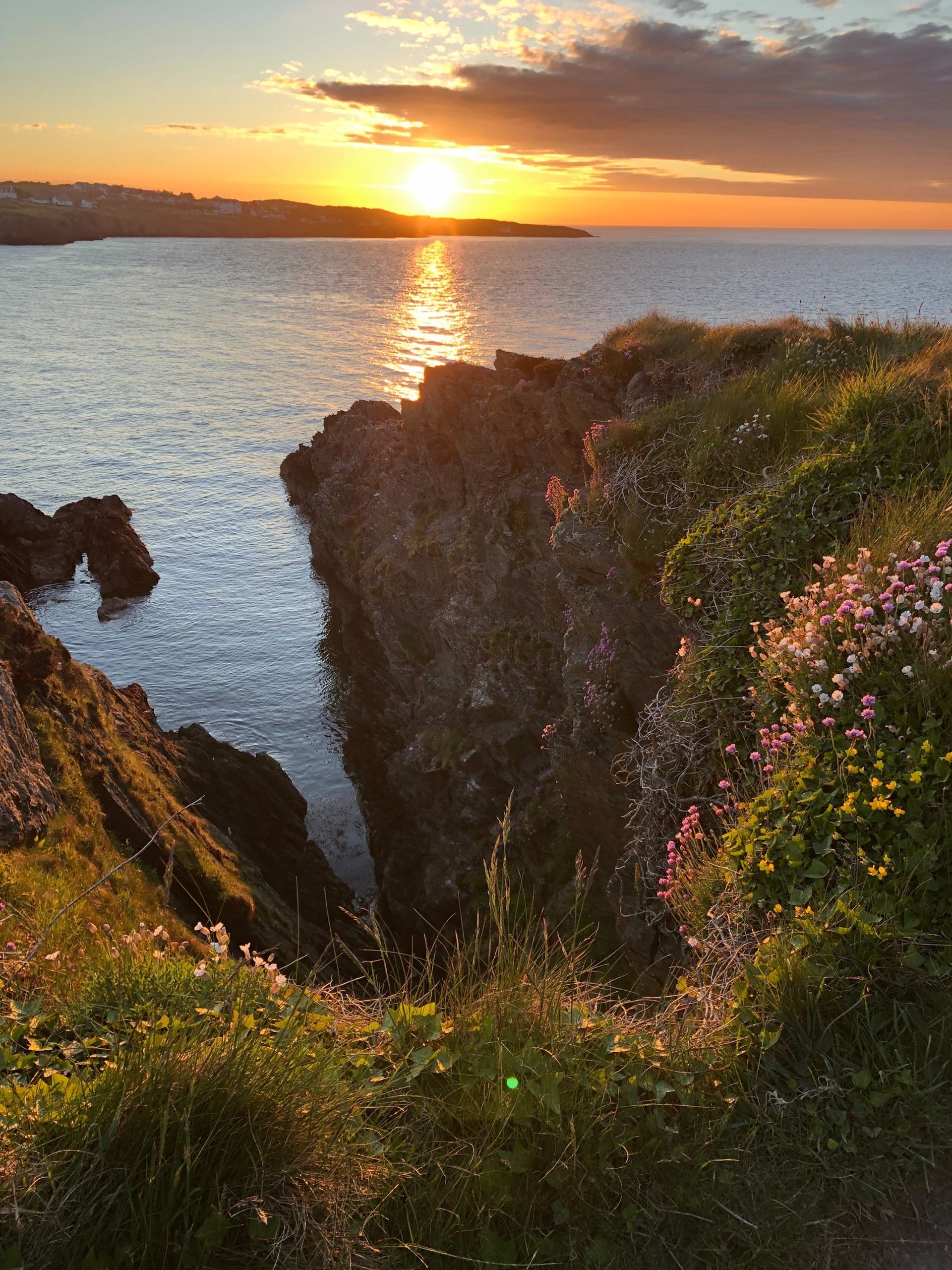
Anglesey, UK, from Gokhan YAGIZ's personal photo collection.
Yogyakarta, Indonesia, from Gokhan YAGIZ's personal photo collection.
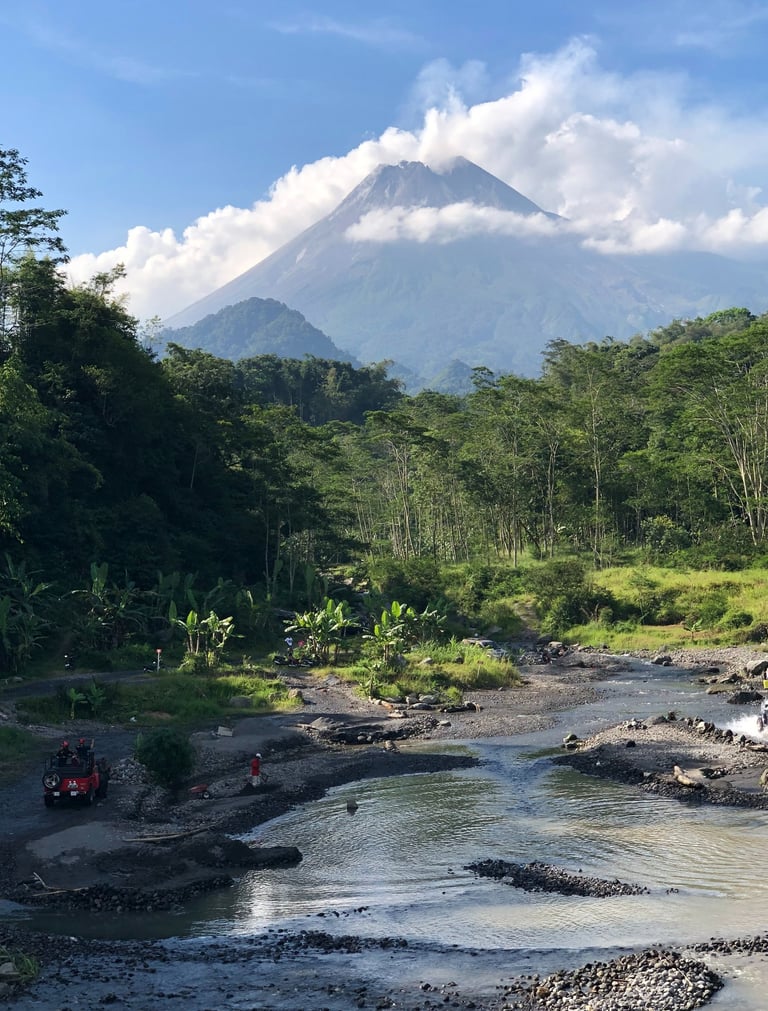
Mount Merapi (Active Volcano), Yogyakarta, Indonesia, from Gokhan YAGIZ's personal photo collection.
The honest picture
A consistent pattern emerges across all 32 reviews. Reiki is repeatedly described as safe, low-risk, and well-tolerated — no review reports meaningful harm. More recent and larger studies (2023–2026) increasingly report statistically detectable, modest benefits for quality of life, fatigue, and procedural anxiety, particularly when used as a complementary addition alongside standard medical and psychological care. However, the most methodologically rigorous reviews, including three Cochrane reviews and a formal clinical practice guideline, consistently find the evidence insufficient or uncertain, citing small trial sizes, high risk of bias, and inconsistent quality across the literature. No systematic review in this set concludes that Reiki is effective as a standalone treatment for any medical condition.
Reiki (霊気) is a Japanese practice developed in the early 1900s by Mikao Usui. The word combines rei, meaning universal, and ki, meaning life energy. A Reiki practitioner uses gentle, non-invasive touch or holds their hands just above the body, with the intention of supporting relaxation and a sense of balance. Sessions are calm, quiet, and fully clothed, typically lasting 30–60 minutes.
Reiki is classified as a complementary therapy, used alongside conventional medical and psychological care rather than as a substitute. Many people describe sessions as deeply calming, a quiet space to slow down, breathe, and simply be present. As an academic in health sciences, I believe it's important to be transparent: scientific evidence for Reiki's underlying mechanisms remains limited and inconsistent, and major health authorities do not recommend it as a treatment for any medical condition. I don't present Reiki as a cure or a substitute for medical care; I offer it as a gentle, supportive practice, and I always encourage anyone with a health concern to consult a qualified healthcare professional first.
What is Reiki?
Reiki in Scientific Literature:
https://pubmed.ncbi.nlm.nih.gov/?term=reiki&filter=pubt.systematicreview
